
Introduction
Have you ever imagined being able to lock and unlock your home with just a tap on your smartphone or through a voice command? With the growing popularity of smart home technology, this is no longer a futuristic dream—it’s a reality. Smart locks in modern home design are revolutionizing the way homeowners think about security and convenience. According to recent statistics, the global smart lock market is expected to grow significantly, driven by the increasing demand for smarter, safer, and more connected homes.
Smart locks are not just about locking and unlocking doors anymore. They seamlessly blend functionality, style, and security, making them an essential component of modern home design. This article will explore everything you need to know about smart locks—their features, benefits, integration with smart homes, and how they’re transforming modern living. By the end of this guide, you’ll understand why incorporating smart locks into your home design is a decision you won’t regret.
What Are Smart Locks?
Smart locks are electronic locking systems that allow homeowners to control access to their property without relying on traditional keys. These advanced devices leverage technology such as Wi-Fi, Bluetooth, or Z-Wave to enable keyless entry, remote access, and enhanced security features.
How Smart Locks Work
Smart locks consist of several key components, including an electronic keypad, a mobile app, and sensors. Here’s how they function:
- Remote Access: Smart locks connect to your smartphone via an app, allowing you to lock or unlock doors from anywhere.
- Keyless Entry: Access can be granted through PIN codes, biometrics (like fingerprint recognition), or even voice commands.
- Integration: Many smart locks can be paired with smart home systems, such as Amazon Alexa or Google Home, for centralized control.
Different Types of Smart Locks
- Keypad Locks: Use a numeric keypad for entering PIN codes.
- Biometric Locks: Rely on fingerprint recognition for enhanced security.
- App-Controlled Locks: Operated entirely through a smartphone app.
- Hybrid Models: Offer traditional key access alongside smart features for added flexibility.
The Role of Smart Locks in Modern Home Design
1. Seamless Integration with Smart Home Systems
Smart locks are designed to integrate effortlessly with smart home systems, enhancing the overall functionality of your home. They can be connected to devices like smart doorbells, cameras, and thermostats, allowing centralized control of your home’s security.
2. Enhancing Aesthetic Appeal
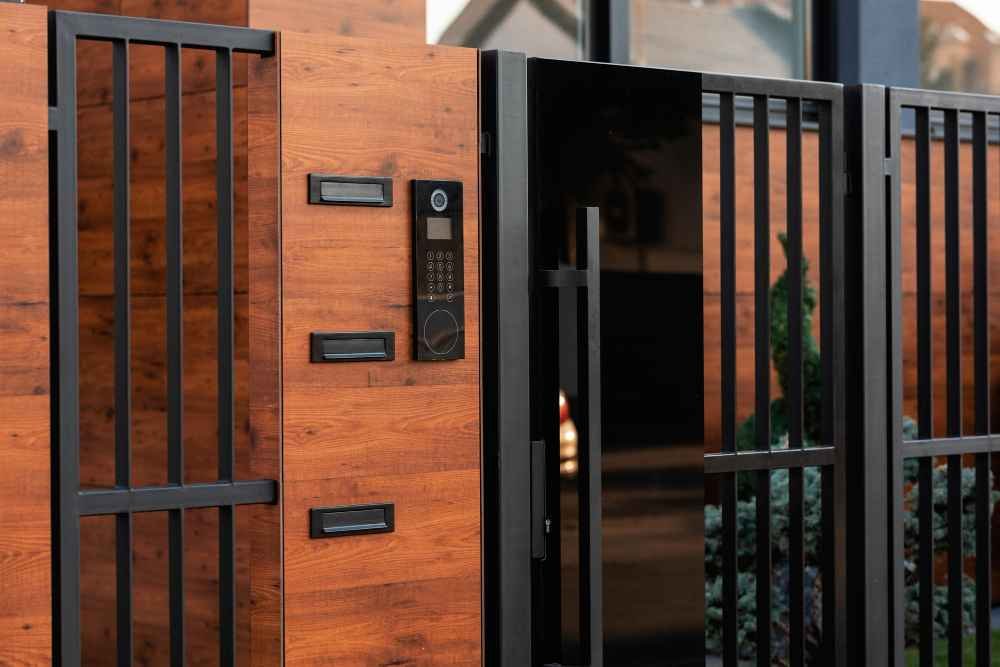
Gone are the days when locks were purely functional. Smart locks are available in sleek, modern designs that complement contemporary architecture. With customizable finishes and styles, they can seamlessly blend with your existing door hardware and interiors.
3. Convenience for Homeowners
Keyless entry eliminates the need for traditional keys, which can be misplaced or duplicated. Remote access features allow homeowners to let in family members, guests, or service providers, even when they’re not at home.
4. Improved Security Features
Smart locks come with advanced security features such as encryption to prevent hacking, tamper alerts to detect unauthorized access, and activity logs to monitor who enters and leaves your home.
5. Supporting Sustainable Design
Many smart locks are battery-operated, reducing reliance on traditional power sources. Additionally, they can be integrated with energy-efficient smart home systems to promote sustainable living.
Benefits of Using Smart Locks in Modern Homes
1. Enhanced Security
Smart locks offer unparalleled security through features like multi-factor authentication, automatic locking, and real-time alerts for unauthorized access. This ensures that your home is protected at all times.
2. Increased Convenience
With smart locks, you’ll never have to worry about losing your keys. Remote access, user-specific PIN codes, and voice control make it easier than ever to manage entry to your home.
3. Better Control and Monitoring
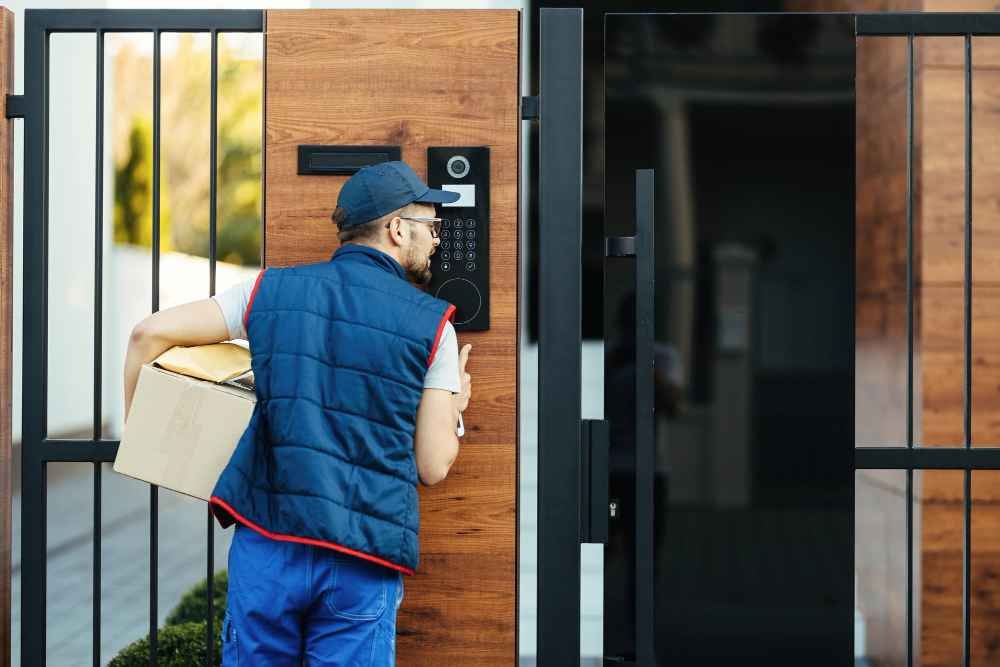
Smart locks allow homeowners to track who enters their home and when through activity logs. Temporary access codes can be issued for delivery personnel, house cleaners, or Airbnb guests, ensuring controlled access.
4. Aesthetic and Functional Versatility
Smart locks are available in a variety of designs and finishes to suit different home styles. Whether you prefer a minimalist look or a more traditional aesthetic, there’s a smart lock that matches your taste.
5. Energy Efficiency and Sustainability
Many smart locks are designed with low-energy consumption settings, making them an eco-friendly choice. They can also integrate with other smart devices to optimize energy use.
6. Increased Property Value
Homes equipped with smart locks and other smart home features are considered more desirable by buyers, boosting their resale value.
7. Peace of Mind for Homeowners
The ability to monitor and control your locks remotely provides peace of mind, whether you’re at work, on vacation, or simply away for the day.
How to Choose the Right Smart Lock for Your Home
Key Factors to Consider
- Compatibility: Ensure the smart lock is compatible with your existing smart home ecosystem.
- Power Source: Look for locks with long battery life and backup options in case of power outages.
- Connectivity Options: Decide whether you prefer Wi-Fi, Bluetooth, or Z-Wave connectivity.
- Security Features: Choose locks with advanced encryption, tamper resistance, and activity logs.
- Design: Select a style that complements your home’s décor.
Top Brands in the Market
Some of the most popular smart lock brands include August, Schlage, Yale, and Kwikset. Each brand offers unique features, so it’s important to research and compare options.
Budget Considerations
While premium smart locks offer advanced features, there are also budget-friendly options available. Compare pricing and features to find the best value for your needs.
Professional Installation vs. DIY
Some smart locks are easy to install yourself, while others may require professional installation. Consider your technical skills and the complexity of the lock when making your decision.
Real-Life Scenarios: How Smart Locks Improve Modern Living
Scenario 1: Managing Airbnb or Rental Properties
Smart locks allow landlords to provide temporary access codes to guests, eliminating the need for physical keys and simplifying the check-in process.
Scenario 2: Busy Families
Parents can grant children or babysitters access to the home remotely, ensuring security and convenience.
Scenario 3: Frequent Travelers
Travelers can monitor home access and receive real-time alerts, providing peace of mind while away.
Scenario 4: Emergency Situations
In case of an emergency, homeowners can grant immediate access to neighbors, first responders, or family members.
Challenges and Limitations of Smart Locks
While smart locks offer numerous benefits, they’re not without drawbacks.
- Cost: The initial investment can be higher than traditional locks.
- Technology Dependency: Connectivity issues or app malfunctions can pose challenges.
- Security Concerns: It’s essential to choose reputable brands with advanced encryption to minimize hacking risks.
- Learning Curve: Some users may find it difficult to adapt to the technology.
Conclusion and Call to Action
Smart locks are transforming the way we think about home security and convenience. They offer a perfect blend of functionality, aesthetics, and advanced features, making them a must-have in modern home design. From increased security to seamless integration with smart home systems, the benefits of smart locks are undeniable.
If you’re ready to upgrade your home’s security, explore our selection of smart locks and find the perfect fit for your needs. Contact us today to schedule a consultation or demo and take the first step toward a smarter, safer home.