

Introduction
Do you know what safety gear should be provided with a rental boat to ensure a safe and enjoyable experience? Whether you’re a seasoned boater or a first-timer, safety equipment is essential for protecting everyone on board. Rental companies play a critical role in upholding safety standards, ensuring renters have the necessary tools to handle emergencies and comply with regulations.
Understanding what safety gear should be provided with a rental boat is vital for both your peace of mind and legal compliance. This guide will dive into the must-have safety equipment, the legal requirements that rental companies must meet, and tips for renters to maximize their boating experience. Let’s explore how proper safety gear can make every boating adventure safe and stress-free.
1. Why Safety Gear is Crucial When Renting a Boat
Boating is an exhilarating activity, but it comes with inherent risks. Having the right safety gear on board significantly reduces the chances of accidents and ensures that everyone is prepared for unexpected situations.
1.1 Ensuring Passenger Safety
Safety equipment minimizes the risk of injuries and fatalities. Life jackets, for example, can save lives during capsizing or rough waters, while fire extinguishers can prevent small onboard fires from escalating into major disasters.
1.2 Legal Compliance and Liability
Rental companies and renters must adhere to safety regulations to avoid fines, lawsuits, or worse. Providing and using the proper equipment ensures compliance with federal and state laws, reducing legal risks for everyone involved.
1.3 Emergency Preparedness
Emergencies such as engine failure, bad weather, or accidents can happen unexpectedly. Safety gear like distress signals, first aid kits, and emergency communication devices can be lifesaving in these situations.
2. Legal Requirements for Safety Gear on Rental Boats
Boating safety regulations are established to protect passengers, operators, and others on the water. Rental companies are legally obligated to provide certain safety gear according to local and federal laws.
2.1 U.S. Coast Guard (USCG) Regulations
The USCG mandates specific safety equipment for all boats, including rental vessels. These include life jackets for every passenger, fire extinguishers, visual distress signals, and sound-producing devices. Each item must meet USCG standards to ensure reliability.
2.2 State-Specific Laws
While federal regulations apply universally, states often have additional requirements. For instance, some states may require specific types of life jackets for children or additional navigation lights for certain waterways.
2.3 Rental Company Responsibilities
Rental companies are responsible for ensuring their boats are equipped with compliant safety gear. They must also regularly inspect and maintain this equipment to ensure it’s functional and up to date.
3. Essential Safety Gear That Should Be Provided With a Rental Boat
Every rental boat should come equipped with a comprehensive set of safety gear to handle a variety of emergencies. Here’s a checklist of the most important items:
3.1 Life Jackets (Personal Flotation Devices)
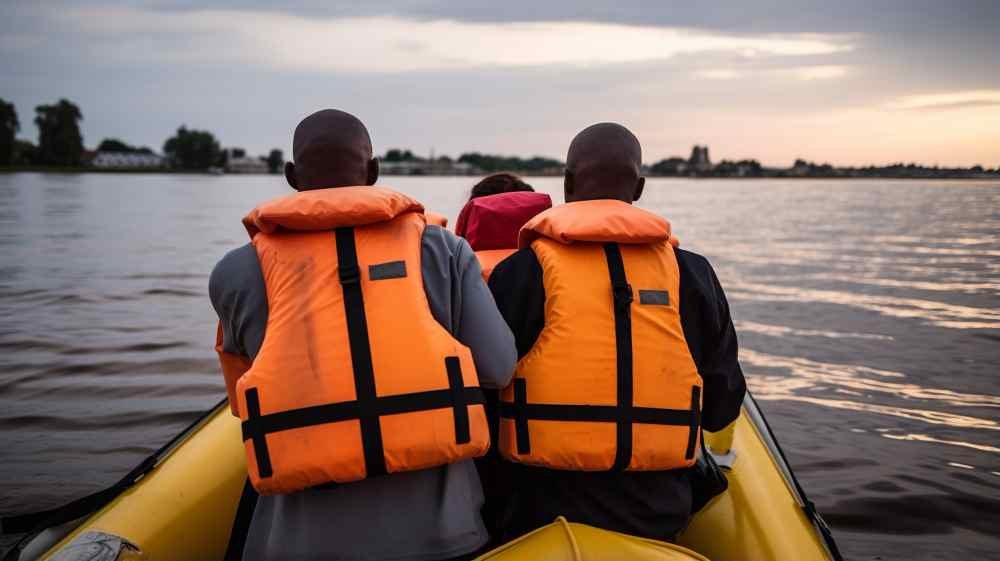
Life jackets are the most critical piece of safety equipment. Rental boats must provide USCG-approved life jackets in various sizes to accommodate adults, children, and even pets. Proper sizing and wear are vital for effectiveness.
3.2 Fire Extinguishers
Fire extinguishers are essential for combating onboard fires. Rental boats should have the correct type of extinguisher, properly maintained and easily accessible, to address potential hazards.
3.3 Throwable Flotation Devices
In addition to life jackets, boats should carry throwable flotation devices like ring buoys or cushions. These are vital for water rescues during emergencies.
3.4 Visual Distress Signals
Flares, flags, and SOS lights are mandatory for signaling distress. These are especially important for nighttime boating or when venturing far from shore.
3.5 Sound-Producing Devices
Horns, whistles, or bells are required to signal other vessels, warn of danger, or call for help. These devices are essential for communication during emergencies or low-visibility conditions.
3.6 Navigation Lights
For nighttime boating or poor visibility, navigation lights are essential to ensure visibility to other vessels and comply with regulations.
3.7 First Aid Kit
A well-stocked first aid kit is a must for treating minor injuries or medical emergencies. It should include bandages, antiseptics, pain relievers, and any necessary medications.
3.8 Anchor and Line
An anchor and line are crucial for stabilizing the boat in emergencies or during mechanical failures. They help prevent drifting into hazardous areas.
3.9 Emergency Communication Equipment
Boats should have reliable communication devices like VHF radios, satellite phones, or cell phones to call for help when needed.
3.10 Additional Items for Specific Types of Boats
Depending on the type of boat, additional safety gear may include bilge pumps, kill switches, or GPS systems for enhanced safety and navigation.
4. Recommended Safety Gear Renters Should Bring Themselves
While rental companies provide essential safety gear, renters can enhance their experience and preparedness by bringing additional items.
4.1 Sun Protection Gear
Sunscreen, hats, and sunglasses are essential for preventing sunburn and heat exhaustion during long hours on the water.
4.2 Extra Layers or Waterproof Clothing
Weather conditions can change unexpectedly. Packing extra layers or waterproof gear ensures comfort and safety in cold or wet conditions.
4.3 Snacks and Water
Staying hydrated and energized is crucial, especially during extended trips. Bring plenty of water and non-perishable snacks.
4.4 Personal Emergency Locator Beacon (EPIRB)
For remote or offshore boating, an EPIRB can be a lifesaving tool. It sends a distress signal to search and rescue teams in emergencies.
4.5 Portable Phone Chargers or Power Banks
Ensure your communication devices remain powered by bringing portable chargers or power banks.
5. Tips for Inspecting Safety Gear Before Leaving the Dock
Before setting sail, renters should inspect the provided safety gear to ensure it’s functional and compliant.
5.1 Inspecting Life Jackets
Check for damage, proper fit, and USCG approval labels on life jackets. Ensure there are enough for all passengers.
5.2 Verifying Fire Extinguisher Functionality
Ensure the fire extinguisher is fully charged, accessible, and appropriate for the boat’s size and type.
5.3 Testing Visual and Sound Signals
Verify that flares, horns, and other signaling devices are in working order before leaving the dock.
5.4 Checking Navigation Lights and Communication Devices
Ensure navigation lights and communication tools like radios or phones are operational.
5.5 Reviewing the First Aid Kit
Confirm that the first aid kit is stocked with essential supplies and that none of the items are expired.
6. Consequences of Not Having Proper Safety Gear
Failing to have proper safety gear on a rental boat can lead to serious consequences.
6.1 Increased Risk of Accidents and Fatalities
Without safety equipment, the likelihood of accidents and injuries increases significantly, putting lives at risk.
6.2 Legal Penalties for Non-Compliance
Non-compliance with safety regulations can result in hefty fines, lawsuits, or even the suspension of rental operations.
6.3 Damage to Business Reputation
Rental companies that neglect safety lose customer trust and risk damaging their reputation in the industry.
7. How Rental Companies Can Enhance Safety Standards
Rental companies can take proactive steps to improve safety and customer satisfaction.
7.1 Regular Maintenance and Inspection of Safety Gear
Frequent inspections ensure all safety equipment is functional and up to date.
7.2 Providing Safety Briefings for Renters
Educating renters on how to use safety gear and follow boating rules fosters a safer experience.
7.3 Offering Additional Safety Upgrades
Rental companies can provide optional safety upgrades, such as GPS systems or advanced communication tools.
7.4 Adopting Digital Tools for Safety Management
Using technology to track safety gear compliance and maintenance schedules ensures consistent safety standards.
8. Real-Life Examples: Lessons Learned from Rental Boat Incidents
Real-life stories highlight the importance of proper safety gear and practices on rental boats.
8.1 A Life Saved by a Throwable Device
In one incident, a throwable flotation device saved a passenger who fell overboard, emphasizing the importance of having such equipment readily available.
8.2 Consequences of Missing Safety Gear
A lack of life jackets during a capsizing incident led to tragic outcomes, underscoring the need for compliance with safety regulations.
8.3 How Proper Training Prevented a Disaster
In another case, a renter’s knowledge of using flares and radios helped rescue the group after their boat became stranded.
Conclusion
Knowing what safety gear should be provided with a rental boat is essential for enjoying a safe and stress-free experience on the water. From life jackets to emergency communication tools, the right equipment can save lives and prevent legal or financial complications. Both renters and rental companies share the responsibility of prioritizing safety. Next time you rent a boat, use this checklist to ensure you’re prepared for any situation and can fully enjoy your adventure.