

Did you know that the color of your bedroom walls can directly influence your mood, sleep quality, and overall sense of well-being? Colors have a profound psychological impact, and choosing the right shades can turn your bedroom into a calming retreat, a cozy space, or even a vibrant sanctuary. In this comprehensive guide, we’ll explore the best colors for bedroom walls, diving into the psychology of colors, trending shades for 2026, and expert tips to help you create a space you’ll love. Whether you’re repainting your entire room or simply seeking inspiration, this guide is packed with actionable advice!
The Importance of Choosing the Right Colors for Bedroom Walls
The Impact of Colors on Mood and Sleep
Scientific studies have shown that colors can impact emotions and energy levels. While soft, muted tones like blue and green promote relaxation and improve sleep, bold colors like red or orange can energize and even overstimulate. Choosing calming colors can help you create a tranquil space perfect for unwinding after a long day.
Psychology of Colors
Color psychology reveals how different hues evoke different feelings. For instance:
- Blue evokes calmness and serenity.
- Green fosters balance and harmony.
- Neutral tones like beige and grey create a sense of stability.
Aesthetic Appeal
Beyond mood, the right colors enhance your bedroom’s design. By choosing colors that complement your furniture, decor, and personal style, you can create a cohesive and visually appealing space. Choosing the best colors for bedroom walls isn’t just about aesthetics—it’s about transforming your room into a sanctuary that nurtures your mind and body.
Factors to Consider When Choosing Bedroom Wall Colors
Room Size and Lighting
In smaller bedrooms, lighter colors like white, soft beige, or pastel shades can make the space feel larger and airier. Larger bedrooms can afford darker, more dramatic hues like navy blue or charcoal grey for a cozier vibe. Consider how natural and artificial light impacts color. A sunny room might enhance the warmth of beige, while cool-toned lighting can make blues appear more muted.
Mood and Functionality
Decide how you want your bedroom to feel. Is it a restful retreat or a multi-functional space where you also work or study? For relaxation, stick to calming tones like soft greens or muted blues. For a more stimulating environment, consider richer hues like terracotta or saffron.
Existing Furniture and Decor
Your chosen wall color should complement your furniture, flooring, and decor. For example, if your decor leans toward minimalism, neutral tones like white or grey often work best. If you have bold, colorful furniture, choose a more subdued wall color for balance.
Personal Preferences
Ultimately, your bedroom is your sanctuary. Choose shades that resonate with your personality and make you feel happy and at peace. By carefully considering these factors, you’ll be well on your way to finding the best colors for bedroom walls that suit your unique needs and style.
Top Color Options for Bedroom Walls
Soft Neutrals
Whites, creams, beiges, and greys are timeless classics. These colors create a clean and serene environment, perfect for minimalistic or Scandinavian-inspired designs. They also pair effortlessly with a wide range of decor styles.
Calming Blues
Shades like sky blue, powder blue, and muted denim are perfect for promoting relaxation and sleep. Blue tones evoke tranquility and are especially effective in bedrooms with natural light.
Gentle Greens
Green represents nature and renewal. Sage, olive, and mint shades are particularly soothing and can make your bedroom feel fresh and rejuvenating.
Warm Pastels
Pastel pinks, peaches, and lavenders bring warmth and softness without overpowering the room. These shades are ideal for creating a cozy and inviting atmosphere.
Moody Dark Tones
Deep shades like navy blue, charcoal grey, or forest green can add drama and sophistication to your bedroom. Pair them with light-colored decor for balance.
Earthy Tones
Browns, terracotta, and muted yellows create a grounded, organic vibe. These colors are increasingly popular in modern, bohemian, and rustic designs. From soft neutrals to moody dark shades, these are some of the best colors for bedroom walls to elevate your space.
Color Combinations and Accent Ideas for Bedrooms
Two-Tone Walls
Combine two complementary colors to add depth and dimension. For instance, pair a soft grey with a pastel pink for a chic and modern look.
Accent Walls
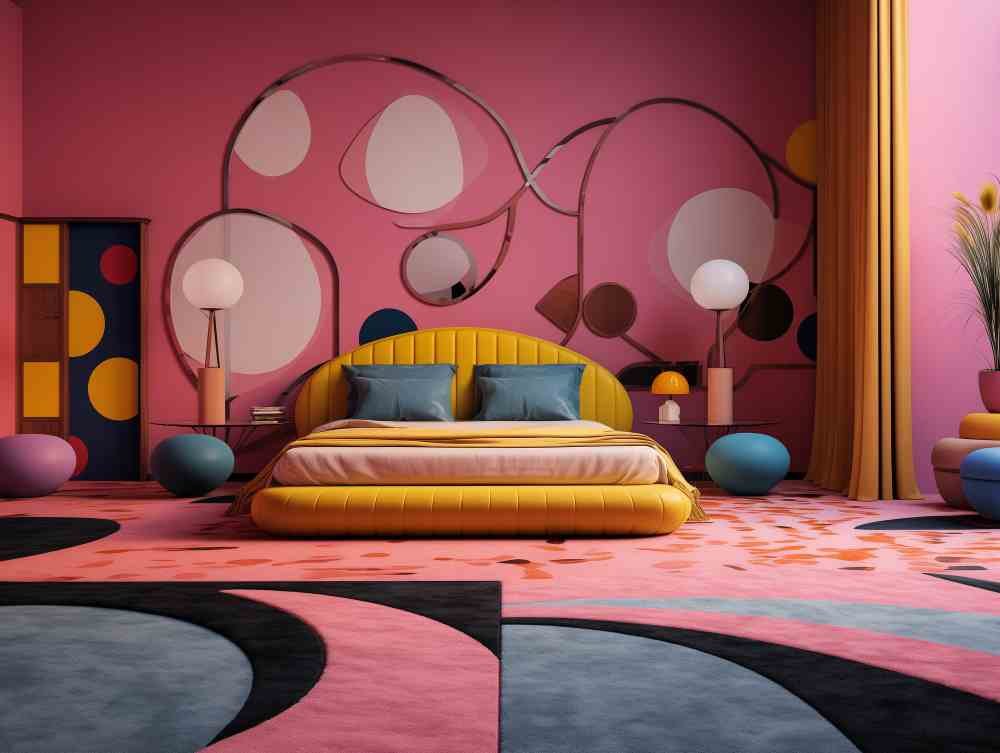
Create a focal point by painting one wall in a bold or contrasting shade. Deep navy, emerald green, or burnt orange are excellent choices for accent walls.
Pairing Colors with Decor
Match your wall colors with your bedroom’s decor elements, such as curtains, bed linens, and artwork. For example, pair sage green walls with white bedding and wooden furniture for an earthy, cohesive look.
Using Patterns or Textures
Incorporate patterns like stripes or textures such as faux finishes to add personality and character to your walls. Experimenting with color combinations and accents can help you showcase the best colors for bedroom walls in creative and stylish ways.
Trending Bedroom Wall Colors in 2026
Biophilic-Inspired Colors
Nature-inspired hues like moss green, clay, and sky blue are gaining popularity as people seek to bring the outdoors inside.
Muted Terracottas and Soft Purples
These warm, earthy tones evoke comfort while maintaining a modern aesthetic.
Minimalist Palettes
Off-whites, soft greys, and pastel shades continue to dominate minimalist bedroom designs.
Bold Statement Tones
Deep sapphire, ruby red, and amethyst purple are making a comeback, offering a luxurious and dramatic vibe. Stay on-trend by exploring these best colors for bedroom walls in 2026.
Mistakes to Avoid When Choosing Bedroom Wall Colors
Ignoring Lighting
Always test colors in your room’s lighting conditions. A shade that looks great in the store might appear completely different at home.
Overusing Bold Colors
While bold hues can add personality, overusing them can make your bedroom feel overwhelming. Balance bold colors with neutral tones.
Clashing with Furniture or Decor
Ensure your wall colors complement your furniture and decor for a harmonious look.
Following Trends Blindly
While it’s fun to stay trendy, prioritize colors that resonate with your personal style and comfort. By avoiding these pitfalls, you’ll achieve the best colors for bedroom walls tailored to your needs.
How to Test and Choose the Perfect Bedroom Wall Color
Sample Swatches
Test paint swatches on your bedroom walls to see how the colors look in different lighting throughout the day.
Try Virtual Tools
Use virtual painting tools or apps to visualize how colors will appear in your space without any commitment.
Start with a Small Area
Paint a small section of your wall before committing to a full room to see how you feel about the color over time.
Seek Professional Advice
If uncertain, consult interior designers or paint specialists who can provide expert guidance tailored to your space. Testing your options is essential to finding the best colors for bedroom walls that suit your space perfectly.
DIY Painting Tips for Bedroom Walls
Preparation is Key
Clean, sand, and prime your walls to ensure a smooth finish and long-lasting paint.
Choose the Right Paint Finish
Understand the differences between matte, eggshell, satin, and gloss finishes. Matte and eggshell are typically best for bedrooms due to their soft, non-reflective surfaces.
Use Quality Tools
Invest in good brushes, rollers, and painter’s tape to achieve professional results and avoid streaks or uneven coverage.
Apply Multiple Coats
Apply at least two coats of paint to ensure vibrant and even color. With these DIY tips, you can confidently paint your walls in the best colors for bedroom walls.
Frequently Asked Questions about Bedroom Wall Colors
What is the most relaxing color for bedroom walls?
Soft blues, gentle greens, and neutral tones like beige are considered the most relaxing for promoting restful sleep.
Should I use dark colors in a small bedroom?
Dark colors can work in small bedrooms if balanced with ample lighting and light-colored furniture to prevent the space from feeling cramped.
How often should I repaint bedroom walls?
It’s recommended to repaint every 5-7 years or sooner if your personal style or trends change.
What are the best colors for kids’ bedrooms?
Cheerful and calming shades like pastel yellows, greens, and blues create an uplifting yet restful environment for children. If you’re still unsure about the best colors for bedroom walls, these FAQs can help guide your decision.
Conclusion
Choosing the best colors for bedroom walls is a transformative step toward creating a space that feels like home. From calming blues to moody dark tones, the right colors can elevate your bedroom’s mood, functionality, and aesthetic appeal. So why wait? Start experimenting with shades and make your bedroom the sanctuary you deserve. Ready to transform your bedroom? Explore our curated palette of the best colors for bedroom walls and start your journey to a more relaxing and stylish space today!