

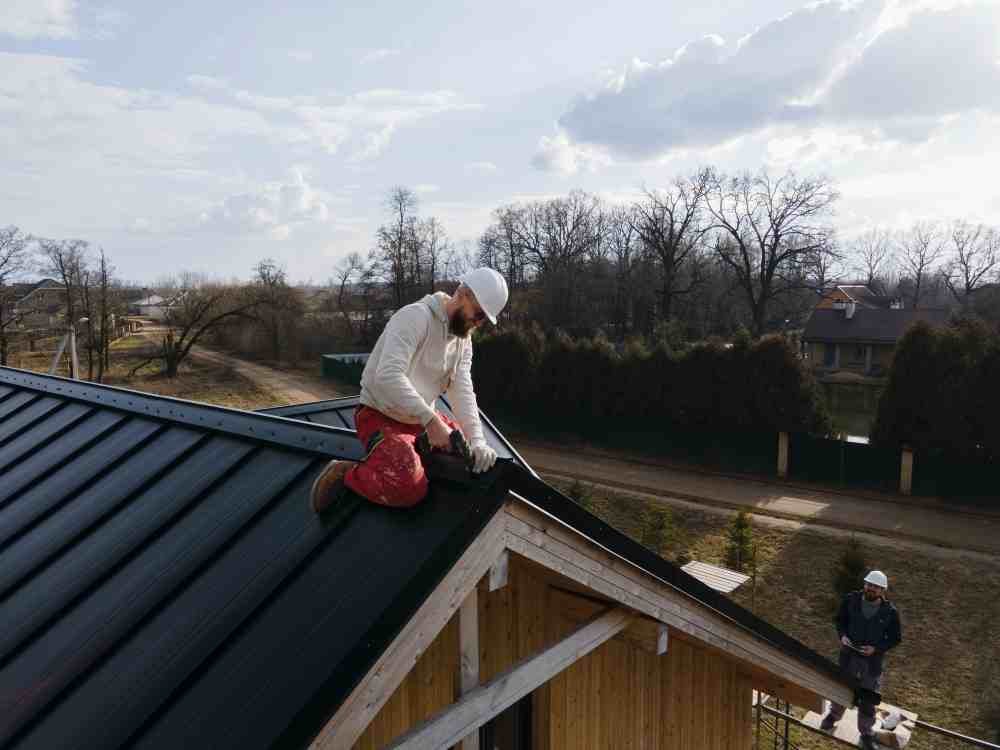
Introduction
A sudden roof leak during a rainstorm can be every homeowner’s nightmare—what do you do when water starts dripping from the ceiling, threatening your belongings and home structure? Roof leaks are not only inconvenient but can lead to serious damage if left unaddressed. From structural deterioration to mold growth, the consequences of ignoring a roof leak can quickly add up.
Addressing roof leaks promptly is crucial to protect your home and avoid costly repairs. Whether it’s a small crack or a major issue, knowing how to cover roof leaks temporarily and fix them permanently can save you a lot of stress. This article will guide you through the common causes of roof leaks, temporary solutions, long-term fixes, and preventive measures to keep your home safe and dry.
Common Causes of Roof Leaks
Understanding the root causes of roof leaks is the first step in resolving and preventing them. Let’s explore some of the most common culprits behind roof leaks:
1. Damaged or Missing Shingles
Shingles are your roof’s first line of defense against the elements. Over time, high winds, hail, or general wear and tear can cause shingles to crack, curl, or fall off, leaving your roof vulnerable to water infiltration.
2. Clogged Gutters
When gutters are clogged with leaves, debris, and dirt, water can’t flow away from your roof properly. Instead, it pools and seeps into the roof’s edges, leading to leaks and water damage.
3. Flashing Issues
Flashing, the metal material around chimneys, vents, and skylights, is designed to prevent water from entering your home. However, improper installation, corrosion, or aging can compromise its effectiveness and lead to leaks.
4. Cracked or Worn Seals
Seals around roof features like vents, chimneys, or skylights can degrade over time. Once they crack or wear out, water can easily find its way into your home.
5. Ice Dams
In colder climates, ice dams form when snow melts on the roof and refreezes at the edges. This creates a barrier that prevents water from draining, causing it to back up under the shingles.
6. Aging Roof Materials
With age, roofing materials naturally degrade and lose their ability to protect your home effectively. Older roofs are more prone to leaks and damage.
Visual Signs of Roof Leaks
- Water stains on ceilings or walls.
- Dripping water or wet spots in the attic.
- Musty odors indicating mold or mildew.
Temporary Solutions to Cover Roof Leaks
When a roof leak happens, quick action is essential to minimize damage. Here are some temporary fixes to cover roof leaks until permanent repairs can be made:
1. Use a Tarp to Cover the Leak
A heavy-duty tarp can act as a temporary shield against water.
- Steps:
- Measure the damaged area and cut the tarp to size, leaving extra material for overhang.
- Secure the tarp with nails or roofing tape to prevent it from blowing away.
2. Apply Roofing Tape or Sealant
For small cracks or holes, waterproof tape or roofing sealant can provide a quick fix.
- How to Use:
- Clean the damaged area to remove debris.
- Apply the tape or sealant directly over the crack, pressing firmly for a watertight seal.
3. Plastic Sheeting for Emergency Coverage
Heavy-duty plastic sheeting can cover larger leaks in an emergency.
- Instructions:
- Cut the plastic to size and secure it over the damaged area using duct tape or nails.
4. Patch the Leak from Inside the Home
If accessing the roof is unsafe, you can patch the leak from the attic.
- Steps:
- Place a bucket or container to catch dripping water.
- Use a patching material like roofing tape on the inside of the roof to temporarily stop the leak.
5. Clean and Unclog Gutters
Clearing gutters of debris can prevent water from pooling and causing additional damage.
- Tips:
- Use gloves and a ladder to remove leaves and dirt.
- Rinse the gutters with a hose to ensure proper water flow.
Safety Tips for Temporary Fixes
- Avoid attempting roof repairs during bad weather.
- Use proper safety gear, such as a harness, when working on the roof.
- If the roof is slippery or unsafe, call a professional.
Long-Term Solutions to Fix Roof Leaks
Temporary fixes are helpful, but long-term solutions are essential to prevent recurring issues. Here’s how to address roof leaks permanently:
1. Replace Damaged Shingles
Replacing cracked or missing shingles is a straightforward way to restore your roof’s integrity.
- Steps:
- Remove the damaged shingle using a pry bar.
- Slide a new shingle into place and secure it with roofing nails.
2. Repair Flashing and Seals
Inspect and replace damaged flashing or seals around roof features.
- How to Fix:
- Remove old flashing or caulking.
- Apply new flashing or sealant to create a watertight barrier.
3. Install Roof Underlayment
Roof underlayment adds an extra layer of protection under shingles.
- Benefits:
- Prevents water from seeping through small cracks.
- Extends the life of your roof.
4. Apply Waterproof Coating
A waterproof coating can protect your roof from future damage.
- How to Apply:
- Clean the roof surface thoroughly.
- Use a roller or brush to apply the coating evenly.
5. Address Structural Issues
If leaks have caused structural damage, it’s crucial to repair the affected areas.
- When to Call a Professional:
- Visible sagging or warping in the roof.
- Water damage spreading to walls, ceilings, or foundations.
6. Regular Roof Inspections
Schedule routine inspections to identify and address potential problems early.
Preventive Measures to Avoid Roof Leaks
Prevention is always better than cure. Here are some steps to keep your roof in excellent condition:
1. Conduct Regular Roof Inspections
Inspect your roof at least twice a year for signs of damage or wear.
2. Keep Gutters Clean
Regularly remove debris from gutters to ensure proper drainage.
3. Trim Overhanging Branches
Tree branches can damage shingles and clog gutters. Trim them back to prevent issues.
4. Install Gutter Guards
Gutter guards prevent leaves and debris from accumulating, reducing maintenance needs.
5. Proper Attic Ventilation
Good ventilation reduces moisture buildup and prevents ice dams in colder climates.
6. Invest in Quality Roofing Materials
Durable, weather-resistant materials ensure your roof can withstand the elements.
When to Call a Professional for Roof Leaks
Some roof issues require expert attention. Here’s when to call a professional:
1. Signs You Need Professional Help
- Persistent leaks despite temporary fixes.
- Structural damage or visible sagging.
- Extensive water damage spreading to other parts of the home.
2. Benefits of Hiring a Professional Roofer
- Expertise in diagnosing and fixing complex problems.
- Access to high-quality materials and tools.
- Safe, efficient repairs without risking personal safety.
3. How to Choose the Right Roofing Contractor
- Look for licensed, insured, and experienced professionals.
- Read online reviews and ask for references.
- Compare quotes to find the best value for your needs.
Cost of Covering and Fixing Roof Leaks

1. Cost of Temporary Fixes
- Tarps: $10-$50 depending on size.
- Roofing tape or sealant: $10-$30 per roll or tube.
2. Cost of Long-Term Repairs
- Shingle replacement: $100-$500 depending on the extent of damage.
- Flashing repairs: $300-$1,000.
3. Cost of Hiring a Professional
- Roof inspections typically cost $100-$300.
- Professional repairs range from $500 to $5,000 depending on severity.
4. The Value of Preventive Maintenance
Spending on regular maintenance can save thousands in major repairs over time.
Conclusion
Roof leaks can cause serious damage if not addressed promptly. By understanding how to cover roof leaks temporarily and fix them permanently, you can protect your home and save money. From replacing shingles to scheduling professional inspections, proactive steps can make all the difference.
Don’t wait for a small leak to turn into a big problem. Contact a professional roofer today for a thorough inspection or repair. Protect your home, and ensure it remains safe, dry, and comfortable.